
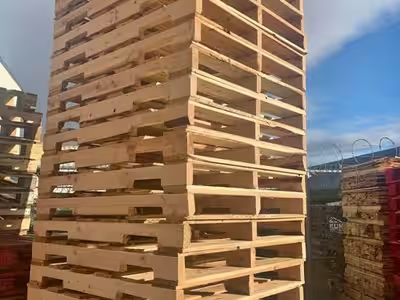
When you buy recycled pallets, the grade— not the size — is what decides the price. A 48″ × 40″ GMA pallet is always 48 × 40; whether it costs $5 or $15 comes down to condition. The two grades that cover most purchases are Grade A (#1) and Grade B (#2), with recycled, remanufactured, and new rounding out the ladder.
This guide explains what each grade actually means, how graders judge a pallet, and which grade to buy for the job. If you need the size and spec details first, start with our 48 × 40 GMA pallet guide.
Key takeaways
- Grade A (#1): all original, unrepaired stringers, clean and dry — premium
- Grade B (#2): repaired (plugged stringers / companion boards) but structurally sound — economy
- Recycled / combo: functional, more cosmetic wear or rebuilt from salvaged parts — cheapest
- Grade describes condition, not size — a GMA can be any grade
- Match the grade to where the pallet is seen: A for customer-facing, B for internal freight
The pallet grading ladder
| Grade | Condition | Typical use | Relative price |
|---|---|---|---|
| Grade A (#1) | All original stringers, no plugs, clean & dry, uniform appearance | Retail, food & beverage, exports, customer-facing loads | Highest (recycled) |
| Grade B (#2) | Repaired stringers, plugged or companion boards, may show wear | Internal freight, warehouse, manufacturing | Mid |
| Recycled / used | Inspected and functional, mixed cosmetic condition | Cost-sensitive shipping, one-way loads | Lower |
| Remanufactured / combo | Rebuilt from salvaged parts of multiple pallets | Budget internal use | Lowest |
| New | Brand-new kiln-dried lumber | Pharma, sterile, spec-required, export | Premium |
What is a Grade A pallet?
A Grade A pallet (also called #1) has all of its original stringers— none have been plugged, repaired, or replaced with companion boards. It’s clean, dry, free of protruding nails, and presents uniformly. Because it looks new and meets most retailer receiving specs, Grade A is what you use anywhere the pallet is seen by a customer or has to clear a strict dock: grocery, retail distribution, food and beverage, and export loads.
What is a Grade B pallet?
A Grade B pallet (#2) is structurally sound but has been repaired. The most common repairs:
- Plugged stringer: a cracked stringer gets a metal plate or wooden plug to restore strength.
- Companion board: a new board nailed alongside a damaged stringer to carry the load.
- Replaced deckboards: broken top or bottom boards swapped for sound used ones.
A Grade B carries the same loads as a Grade A in practice — it just doesn’t look pristine. For internal freight, warehouse moves, and anything your customer never sees, Grade B is the value pick and typically runs 30–50% less than Grade A.
How pallets are graded
Grading is a visual and structural inspection. A grader checks:
The single biggest factor separating Grade A from Grade B is whether the stringers are original and unrepaired. Secondary factors — deckboard condition, cleanliness, moisture, and uniformity — fine-tune the grade and the price.
What does each grade cost?
Realistic 2026 truckload ranges for a 48 × 40 GMA (freight moves these numbers a lot — buy close to your dock):
| Grade | Typical price each |
|---|---|
| New | $13–$20 |
| Grade A (recycled #1) | $9–$15 |
| Grade B (recycled #2) | $5–$9 |
| Recycled / combo | $4–$7 |
Live, location-specific pricing for each grade is on our pallet price index, and you can filter listings by grade when you browse pallets by grade.
Which grade should you buy?
- Shipping to a retailer or customer? Grade A — it meets receiving specs and protects your brand.
- Exporting? Grade A and heat-treated to ISPM-15 (see our ISPM-15 guide).
- Internal freight or warehouse? Grade B — sound and cheaper.
- One-way / disposable load? Recycled or combo — lowest cost.
- Pharma or sterile? New or plastic, never recycled.
Frequently asked questions
What's the difference between a Grade A and Grade B pallet?
A Grade A (#1) pallet has all original, unrepaired stringers and presents cleanly. A Grade B (#2) pallet is structurally sound but has been repaired — plugged stringers or companion boards — and costs 30–50% less.
Is a Grade B pallet safe to use?
Yes. A properly repaired Grade B pallet carries the same loads as a Grade A in practice. It simply doesn’t look pristine, which is why it’s used for internal freight rather than customer-facing loads.
What is a #1 pallet?
“#1” is another name for Grade A — a recycled pallet with all original stringers and no repairs.
What is a combo or remanufactured pallet?
A combo (remanufactured) pallet is rebuilt from the salvaged sound parts of multiple broken pallets. It’s the lowest-cost option and used for budget internal handling.
Does pallet grade affect weight capacity?
Minimally for sound pallets — a repaired Grade B still meets standard load ratings. Capacity is driven more by construction (stringer vs. block, wood species) than by grade.
Bottom line
Size tells you if a pallet fits; grade tells you what it costs and where it belongs. Grade A for anything seen or spec’d, Grade B for internal freight, recycled or combo for disposable loads. Running the right mix — instead of buying Grade A for everything — is one of the easiest ways to cut a pallet budget.
Shop pallets by grade from vetted suppliers near you.
Grade A, Grade B, or recycled — priced live by the truckload across the U.S.